 English
 Arabic
 Chinese (Simplified)
 Dutch
 French
 German
 Indonesian
 Italian
 Japanese
 Khmer
 Korean
 Lao
 Portuguese
 Russian
 Spanish
 Thai
 Vietnamese



Dr.Ozone D3 Industrial Ozone Generator
Ozone output: 3 g O₃/h
Maximum ozone concentration: 3 g/m³
Ozone airflow rate: 35 L/min
Cr-Al tube diameter: 12 mm
Ozone technology: Canada
Power supply: 220 V – 50 Hz – 85 W
Ambient humidity: < 90%
Machine dimensions: 380 × 200 × 480 mm
Machine weight: 7 kg

Introduction to the Dr.Ozone D3 industrial ozone generator
Dr.Ozone® is a leading brand in the manufacturing of high-output industrial ozone generators, and the only brand on the market committed to providing ozone machines above 2 g/h that meet international standards and are certified by top inspection units such as Vinacontrol CE.
The Dr.Ozone® D3 (3 g/h ozone output) stands apart from low-cost industrial ozone generators in both design and internal component quality. Dr.Ozone prioritizes system stability, ensuring superior performance and long-term durability.

Practical applications of the Dr.Ozone D3 industrial ozone generator
Ozone applications in seafood processing
Traditional sanitation methods in seafood processing rely heavily on chlorine, which has limited effectiveness in killing surface bacteria on seafood (Augusto Goncalves).
Due to the negative impact of chlorine by-products on taste and health, improved sanitation technologies have been explored.
Since ozone received GRAS approval for direct use in food processing in 2001, numerous ozone applications have been researched and widely implemented in commercial seafood processing facilities.
Key ozone applications in the seafood industry include:
Aquaculture
With rising global population, the demand for seafood continues to grow. Farmed seafood is increasingly essential to supplement wild-caught sources.
Ozone use in aquaculture has proven effective in:
• reducing water consumption by enabling higher water recirculation
• decreasing disease outbreaks in hatcheries and grow-out ponds
• maintaining cleaner water to promote faster growth rates with lower feed ratios
Live seafood preservation
In many commercial applications, fish and seafood are transported and stored alive prior to processing.
Ozone can be injected into holding water to reduce bacterial load and prevent cross-contamination between species.


Ozone for disinfection in cold storage and seafood warehouses
Ozonated ice for fresh seafood preservation
Ozone can be dissolved into water and frozen to produce ozonated ice, which retains ozone within the ice structure.
When used to preserve fish, ozonated ice extends shelf life and maintains freshness more effectively than conventional ice.
Most seafood consumed today is harvested offshore on vessels that remain at sea for weeks. To maintain premium quality, ozonated ice is commonly used onboard.
The same method is also widely used in onshore seafood facilities and fish farms.

Equipment sanitation in food-processing facilities
Once ozone received GRAS approval from the USDA and FDA, interest in applying ozone directly to food and food-contact surfaces grew rapidly across the industry.
Ozone dissolved in water can replace chlorine as an antimicrobial agent, or it can supplement existing cleaning processes to minimize bacterial contamination.
In seafood processing facilities, ozonated water is used to sanitize:
• filleting machines
• cutting tables
• knives
• containers and utensils
• processing equipment in direct contact with seafood
Ozone is also used in broader food-processing operations for surface sanitation of product batches and contact surfaces.

Odor control in viscera rooms and processing areas
Seafood processing—particularly the handling of internal organs—produces strong odors that affect working environments.
In some applications, seafood is dried as part of production, releasing moisture and odor into the surrounding air, causing discomfort for workers and nearby residents.
Ozone is an ideal solution: it oxidizes odor-causing molecules, neutralizes volatile organic compounds, and eliminates microorganisms responsible for unpleasant smells.
As ozone naturally decomposes back into oxygen within 20–30 minutes, it leaves no harmful residues.


Be the first to review “Dr.Ozone D3 Industrial Ozone Generator”
Related products

Out of stock


Out of stock
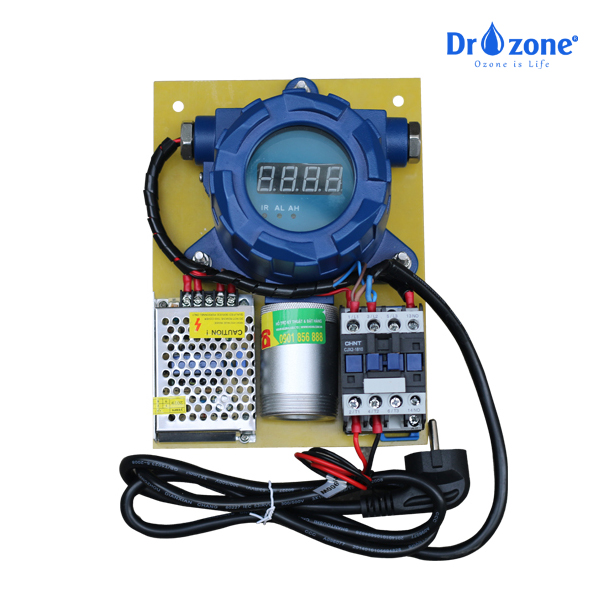
Out of stock
20,800,000$
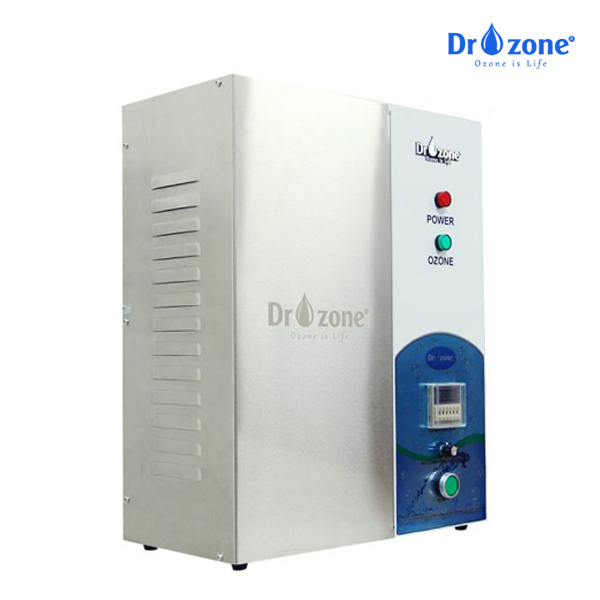
Out of stock

Out of stock
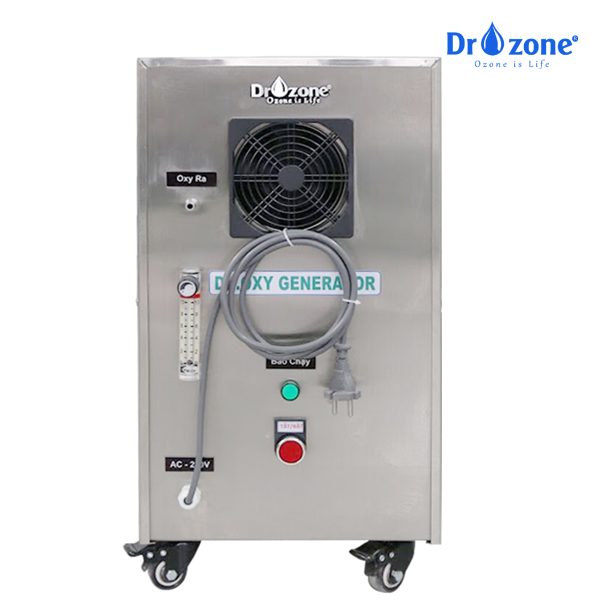
Out of stock
20,000,000$
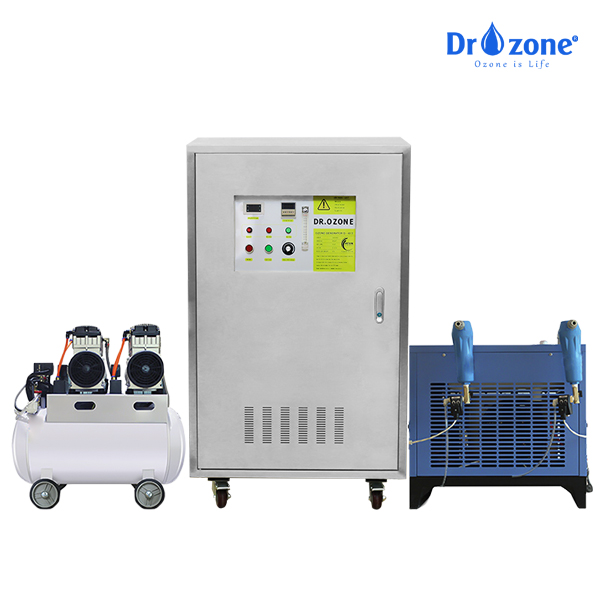
Out of stock

Reviews
There are no reviews yet.